
How Payer Enrollment Services Speed Credentialing
The Qualigenix Editorial Team comprises certified medical billing professionals, CPC-credentialed coders, prior authorization specialists, and revenue cycle consultants with more than 40 years of combined hands-on experience serving solo physicians, group practices, hospitals, and ASCs across 38+ specialties in the United States. Every guide, article, and resource published on the Qualigenix blog is researched against current CMS guidelines, Federal Register notices, AMA policy updates, and payer-specific billing rules — and reviewed for compliance accuracy before publication. Our content reflects the same standards we apply to our client work: 99% claim accuracy, 95% first-pass acceptance, and a 30% average reduction in AR days.

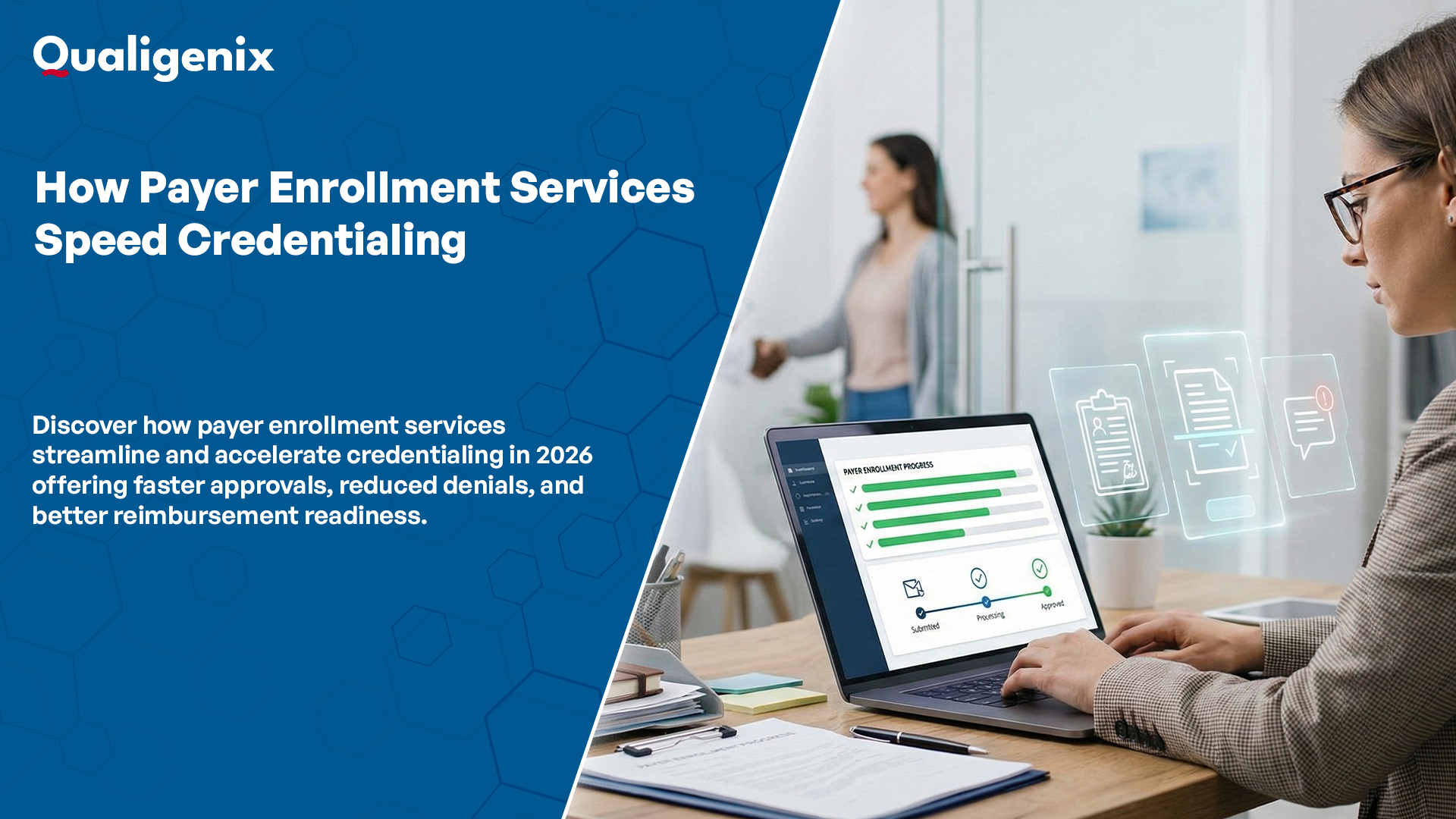
A provider completes credentialing, their qualifications are verified, and everything looks ready on paper. Yet weeks later, claims still cannot be submitted because the provider is not active in payer systems. This gap between credentialing approval and billing readiness is one of the most common causes of delayed revenue in healthcare. Payer enrollment services play a quiet but critical role in closing this gap. While credentialing confirms a provider’s clinical qualifications, payer enrollment connects those credentials to insurance systems so providers can participate in insurance networks and receive reimbursement. With complex forms, payer-specific rules, and long enrollment timelines, many practices struggle to complete this step efficiently.
In this blog, we explain what payer enrollment services are, how they differ from credentialing, and why efficient provider payer enrollment directly affects claims reimbursement readiness and revenue cycle performance.
What are Payer Enrollment Services?
Payer enrollment services manage the administrative process of registering healthcare providers with insurance payers so they can submit claims and receive payment. These services ensure that provider information is accurately submitted, verified, and approved within each payer’s system.
Enrollment specialists handle tasks such as:
- Complete payer-specific enrollment applications
- Validate National Provider Identifiers (NPIs)
- Confirm tax information and ownership details
- Organize required documentation, including licenses, board certifications, and liability insurance
- Submit clean, complete applications that move efficiently through payer review cycles
Although payer enrollment is often discussed alongside credentialing, it serves a different function. Enrollment is the final step that enables claims reimbursement readiness and activates provider network participation.
Payer Enrollment vs Credentialing – The Key Difference
Credentialing verifies whether a provider meets professional and regulatory standards. It focuses on education, training, experience, and clinical competence.
Payer enrollment, on the other hand, registers the credentialed provider within the payer’s administrative and billing systems. Without successful provider-payer enrollment, credentialed clinicians cannot bill insurance plans or receive reimbursement. Credentialing confirms eligibility, whereas enrollment enables payment.
Why Efficient Payer Enrollment Matters?
Efficient payer enrollment helps providers join insurance networks faster. Delays slow billing, affect cash flow, increase staff workload, and weaken overall revenue cycle performance.
Impact on Claims and Revenue
Only providers marked as “in-network” can submit claims and receive payment. If enrollment is incomplete or inaccurate, claims are denied or held indefinitely.
Common issues such as mismatched tax IDs, outdated addresses, or missing documents often trigger rejections. Payer enrollment services focus on application accuracy and proactive follow-up, helping providers reach reimbursement readiness faster and avoid preventable revenue loss.
How Payer Enrollment Services Speed the Credentialing Process?
Payer enrollment services do not replace credentialing, but they significantly accelerate what happens after credentialing is complete. By aligning documentation, communication, and submission workflows, these services reduce delays that often stall provider onboarding.
Organised Documentation and Error Reduction
Enrollment experts compile all required documents before submission, ensuring consistency across applications. Licenses, NPIs, tax details, and practice information are validated upfront.
This focus on application accuracy reduces errors that commonly lead to rejections and resubmissions. Fewer errors mean shorter enrollment timelines and less back-and-forth with payers.
Tailored Follow-Up and Payer Communication
One of the biggest delays in insurance network enrollment is a lack of follow-up. Applications may sit in payer queues awaiting clarification or missing data.
Enrollment services maintain active communication with payers, responding quickly to requests and escalating stalled cases when necessary. Dedicated follow-up prevents applications from going dormant and shortens approval cycles.
Centralised Payer Database and Updates
Each payer has unique rules, forms, and submission methods. Enrollment services track these differences in centralised systems, enabling faster submissions and updates when requirements change. This structured approach supports enrollment optimization strategies, particularly for practices working with multiple commercial, Medicare, and Medicaid payers.
Common Challenges in Payer Enrollment and Credentialing

Despite its importance, payer enrollment is often underestimated. Without specialized expertise, practices face challenges that slow approval and increase administrative workload.
Application Rejections and Resubmissions
Errors in key fields restart review timelines and delay provider network participation. Missing follow-ups can leave applications in limbo for months.
Professional enrollment services anticipate common rejection points and resolve them proactively, reducing repeated resubmissions.
Inconsistent Payer Rules
Payer requirements vary widely and change frequently. Understanding submission protocols, timelines, and documentation standards requires ongoing expertise.
Enrollment services manage these inconsistencies efficiently, allowing practices to navigate payer differences without overwhelming internal staff.
Best Practices to Maximize Payer Enrollment Success
Successful payer enrollment depends on disciplined workflows, reliable data management, and the right balance of internal and external support. When these elements work together, providers can shorten enrollment timelines, reduce rework, and move to billing readiness faster.
Maintain Accurate and Up-to-Date Provider Data
Accurate provider data is the foundation of efficient payer enrollment. Details such as licenses, National Provider Identifiers (NPIs), tax IDs, ownership information, and practice addresses must be current and consistent across all applications. Even minor discrepancies, such as mismatched addresses or expired licenses, can trigger rejections and restart approval timelines.
Centralizing provider data in a single, well-maintained system helps prevent avoidable errors. Regular audits ensure that documentation is always enrollment-ready, reducing delays caused by last-minute corrections or missing information.
Use Enrollment Technology Platforms for Visibility and Control
Enrollment technology platforms provide structure and transparency across the enrollment lifecycle. These systems track application status, log payer responses, and trigger reminders for follow-ups or expiring documents.
Technology replaces spreadsheets and manual follow-ups with a structured system that keeps applications moving. It gives teams clear visibility into enrollment status, helping leaders spot delays early and act before revenue is impacted.
Outsource Complex or High-Volume Submissions
Practices managing large provider groups, multiple locations, or numerous payer contracts often benefit from outsourcing payer enrollment. External enrollment teams bring specialised knowledge of payer-specific rules, submission formats, and approval workflows.
Outsourcing provides consistency even during staff changes and helps manage complex situations like delegated enrollment or multi-state expansion. It allows internal teams to stay focused on patient care while enrollment moves forward without disruption.
How Qualigenix Can Help You With Payer Enrollment Services

Managing payer enrollment can be time-consuming and complex, especially when delays directly impact revenue. Qualigenix simplifies the process by providing structured, hands-on support that helps providers move from credentialed to billable with fewer obstacles and less administrative strain.
- End-to-end enrollment support: Qualigenix manages the full payer enrollment journey from verification and documentation to submission and follow-ups. It helps to reduce delays between credentialing and billing across Medicare, Medicaid, and commercial payers.
- Accuracy with proactive follow-up: The team focuses on getting applications right the first time and staying in close touch with payers. It resolves questions early to avoid rejections or unnecessary slowdowns.
- Scalable support for growing practices: Whether adding new clinicians, expanding into new networks, or handling high enrollment volumes, Qualigenix eases the administrative load and helps providers become billable faster.
Bridging the Gap Between Credentialing and Billing
Payer enrollment is the final step that turns credentialing approval into real, billable revenue. When it’s slow or disorganized, practices feel the impact immediately, including delayed payments, operational strain, and lost momentum.
When enrollment is managed with accuracy, consistency, and timely payer follow-ups, providers can move from approved to billable without unnecessary gaps. Payer enrollment is no longer just paperwork. It becomes a strategic advantage that keeps revenue moving and operations running smoothly when executed well.
FAQs
1. What are payer enrollment services?
Payer enrollment services handle the preparation, submission, tracking, and approval of applications that register healthcare providers with insurance payers. These services ensure providers are added to insurance networks correctly so they can submit claims and receive reimbursement without delays.
2. How do payer enrollment services speed credentialing?
They ensure applications are complete and accurate, manage timely follow-ups with payers, resolve issues quickly, and maintain consistent communication. This prevents applications from stalling and shortens the time between credentialing approval and billing readiness.
3. Is payer enrollment the same as credentialing?
No. Credentialing confirms a provider’s qualifications, training, and compliance with regulatory standards. Payer enrollment takes those verified credentials and registers the provider in payer systems, enabling claims submission and payment.
4. How long does payer enrollment typically take?
Enrollment timelines vary by payer and provider type and can range from several weeks to several months. The speed largely depends on documentation accuracy, payer responsiveness, and the effectiveness of follow-up.
5. Can a provider bill before enrollment is complete?
In most cases, no. Providers must be fully enrolled and active in a payer’s system before submitting claims and receiving reimbursement.
6. Why should practices outsource payer enrollment?
Outsourcing reduces administrative workload, minimises errors, speeds approvals, and improves overall revenue cycle impact by ensuring enrollment is handled consistently and accurately.
What’s Next
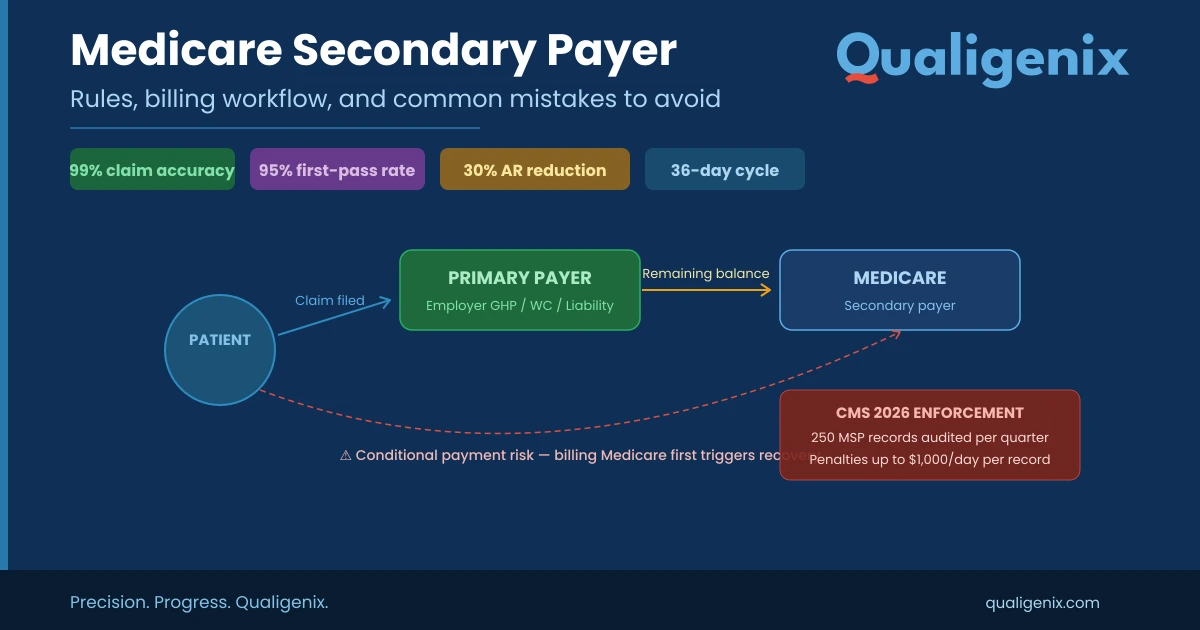
Medicare Secondary Payer: Rules, Billing Workflow, and Common Mistakes to Avoid
Summary Medicare secondary payer (MSP) rules determine which insurer pays first when a Medicare beneficiary has other coverage. Providers...
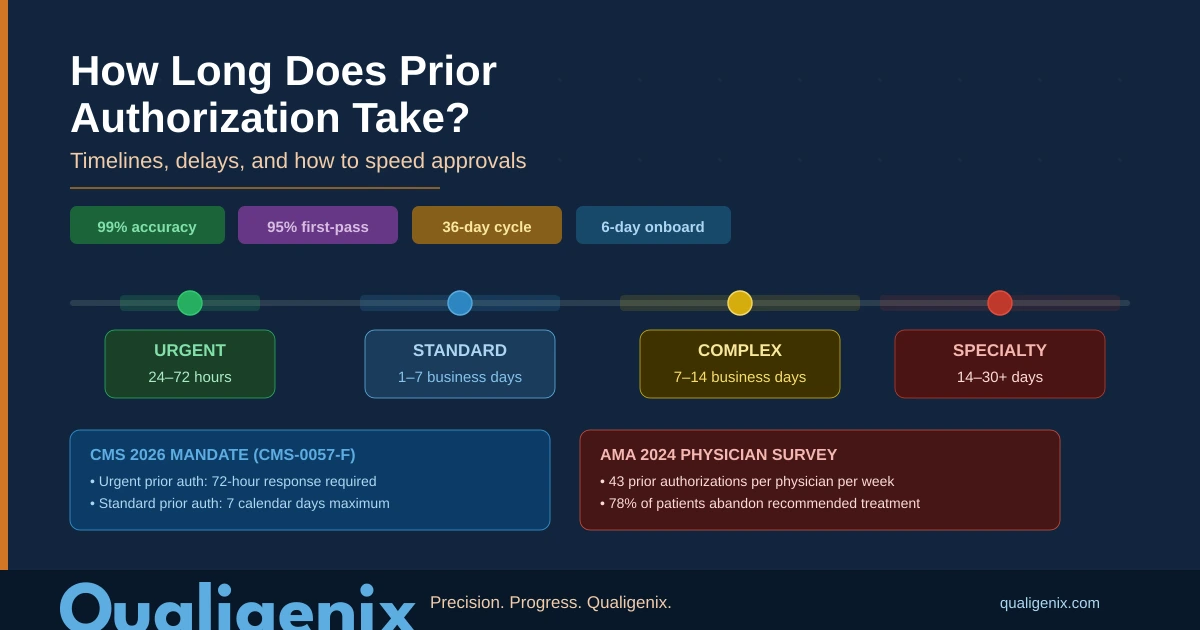
How Long Does Prior Authorization Take? Timelines, Delays, and How to Speed Approvals
How Long Does Prior Authorization Take? Timelines, Delays, and How to Speed Approvals Summary How long does prior authorization...
Charge Capture in Healthcare: Common Errors & How to Fix Them
Is your healthcare organization losing thousands of dollars before claims even leave your system? Amidst shrinking margins and intense...